Caminito del Rey History - Why It Is Called the King's Path
Understand the origins, decline, and restoration of Caminito del Rey with clear historical context.
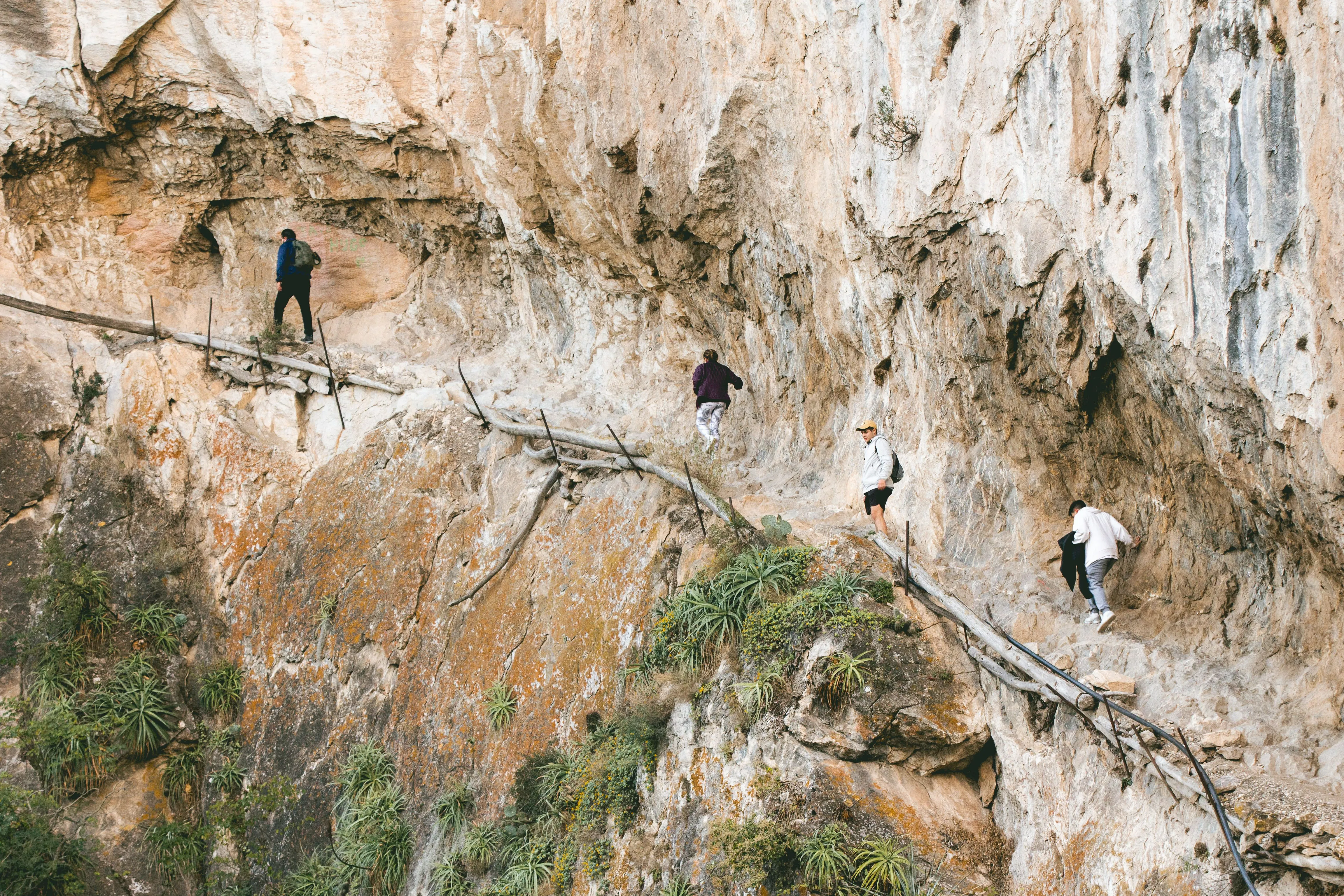
Caminito was born from necessity, not tourism. Workers needed access between hydroelectric points along the gorge, and engineering drew a line where nature looked impossible.
Timeline in four beats
- Industrial creation for service operations.
- Royal association and symbolic naming.
- Long decay and dangerous reputation.
- Modern restoration with managed access.
Why restoration changed everything
It preserved drama while transforming risk management. The route remained spectacular, but decision-making moved from improvisation to design.
What to observe on-site
- Old alignment traces beside modern sections
- Steel and wood transitions near historical anchors
- How narrow geology dictated engineering choices
The new Caminito is not a replacement. It is a translation for a safer era.
Reading the past while you walk
A useful way to experience the route is to ask one question repeatedly: what problem was this section solving when it was first built? At one corner, the answer is access. At another, it is maintenance. At another, it is simply survival in hard terrain. Suddenly, steel, concrete, and ledges stop looking decorative and start looking like decisions.
History here is not trapped in museums. It is embedded in alignment, in material choices, and in the silent dialogue between old infrastructure and modern safety logic. You see the original ambition, then the long period of deterioration, then the contemporary responsibility to preserve awe without preserving danger.
Historical lens for visitors
- Notice where modern sections run parallel to older traces.
- Observe how support points map to geological constraints.
- Compare emotional effect and operational function in each segment.
When you approach Caminito this way, the walk becomes more than scenery. It becomes a field lesson in how societies inherit, reinterpret, and protect complex places.
关于作者

Caminito Local Team
这份指南写给不满足于“打卡照”的旅行者。它把实操型动线建议与在地背景结合起来,帮助你更好规划、更安心行走,也更深入理解这片土地的人文与自然脉络。
Tags
Comments (0)
Loading comments...